
Attention
MINISTRY OF HEALTH CONFIRMS MEASLES OUTBREAK IN ADJUMANI, ACTIVATES EMERGENCY RESPONSE MEASURES.
By Bazio Doreen
The Ministry of Health, in collaboration with Adjumani District Local Government, has confirmed a measles outbreak in Apaa Parish, Itirikwa Sub County, Adjumani District, with 30 laboratory-confirmed cases and two deaths reported to date.
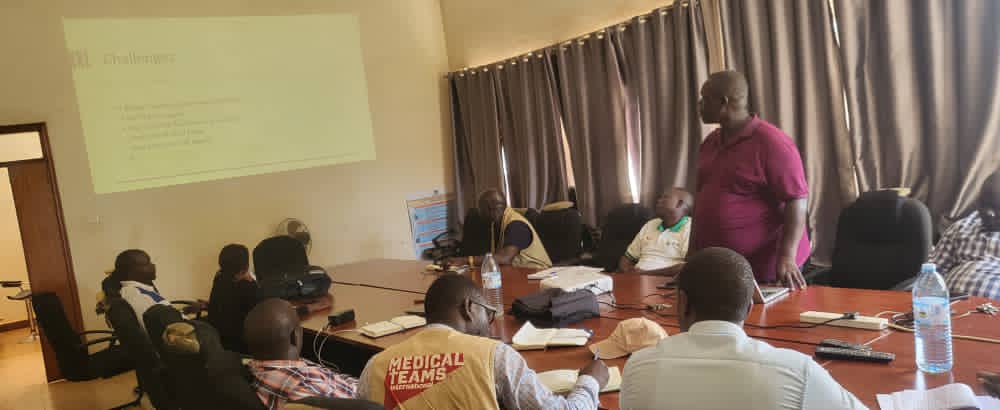
In line with the Integrated Disease Surveillance and Response (IDSR) framework, the Ministry has activated the District Task Force to coordinate a multi-sectoral emergency response aimed at interrupting transmission and preventing further spread of the disease.
The Resident District Commissioner, Tako Swaib, affirmed government’s commitment to safeguarding public health through coordinated interventions.
“Government has instituted immediate response measures, including intensified surveillance, case management, and mass immunization. We urge all parents and caregivers to ensure that children are fully immunized against measles,” he stated.
Preliminary findings from district surveillance teams indicate that the outbreak is largely associated with sub-optimal routine immunization coverage. According to the District Surveillance Focal Person, Olony Paul, approximately 65% of the affected individuals had not received the measles vaccine.
“This outbreak highlights persistent immunity gaps within communities. Strengthening routine immunization and outreach services remains critical to preventing future outbreaks,” he noted.
The Ministry further notes that population movement and limited access to health services—partly attributed to ongoing border challenges—have disrupted routine vaccination activities in the affected areas.
The Medical Superintendent, Ambaku Michael, emphasized the importance of cross-border and inter-district collaboration in managing public health risks.
“Coordinated efforts between Adjumani and neighboring districts, including Amuru, are essential to ensure comprehensive surveillance and effective outbreak control,” he said.
Response interventions currently being implemented include: Active case search and line listing; Community-based surveillance and risk communication; Targeted supplementary immunization activities (SIAs); and Case management in designated health facilities
Measles remains a highly contagious viral disease, with a basic reproduction number (R₀) ranging between 12 and 18, making rapid transmission likely in unvaccinated populations. However, it is preventable through safe and effective vaccination, with two doses of the measles-containing vaccine providing up to 97% protection.
Uganda’s Expanded Programme on Immunization (EPI) recommends routine measles vaccination for all children, with periodic supplementary campaigns conducted to close immunity gaps and achieve herd immunity thresholds of at least 95%.
The Ministry of Health reassures the public that the situation is under control and calls upon all communities to cooperate with health workers, adhere to vaccination schedules, and promptly report suspected cases to the nearest health facility.
END
MEASLES OUTBREAK HITS ADJUMANI, 30 CASES AND TWO DEATHS CONFIRMED
By Esther Gune
Panic and concern have emerged in Adjumani District following a confirmed measles outbreak in Apaa Itirikwa Sub-county, where health authorities have recorded 30 laboratory-confirmed cases and two deaths, prompting urgent discussions during the District Task Force meeting as officials warn of a possible rapid spread of the highly contagious disease if immediate containment measures are not strengthened.
District leaders say the outbreak has created tension within the health department as teams intensify surveillance, vaccination campaigns, and community sensitization efforts to contain the disease, especially among vulnerable children in hard-to-reach areas.
The Resident District Commissioner, Tako Swaib, confirmed the outbreak and urged residents to embrace immunization despite ongoing border disputes affecting the area.
“We have confirmed a measles outbreak in Apaa Itirikwa Sub-county, and I encourage all residents to take their children for vaccination to protect the community. Despite the border disputes in the area, health services will continue to ensure the outbreak is contained,” Swaib said.
Health officials attributed the outbreak mainly to low vaccination coverage in the affected communities. The District Surveillance Focal Person, Olony Paul, revealed that a significant number of those infected had not received routine immunization.
“The major cause of this measles outbreak is low vaccination coverage. About 65% of the 32 affected individuals were not vaccinated, and the ongoing border disputes have also interfered with immunization activities and access to health services,” Olony explained.
According to health authorities, population movements and limited access to health facilities due to insecurity linked to border disagreements have made it difficult for health workers to conduct routine vaccination outreach programs.
The Medical Superintendent of Adjumani District, Ambaku Michael, said the situation highlights the need for joint intervention between neighbouring districts to effectively manage disease outbreaks in border communities.
“All these results are largely due to the ongoing border disputes, which have affected health service delivery and vaccination efforts. There is a need for close collaboration between Adjumani District and Amuru District to effectively control and prevent further spread of the outbreak,” Ambaku said.
District health teams have since heightened surveillance, community screening, and immunization campaigns while urging parents and guardians to ensure children receive measles vaccines to prevent further infections.
Health authorities warn that measles remains highly contagious but preventable through vaccination, calling on communities to cooperate with health workers as response efforts continue across affected areas.
END