ADJUMANI DISTRICT BEGINS CONSULTATIONS ON PROPOSED ATIAK IRRIGATION CANAL PROJECT.
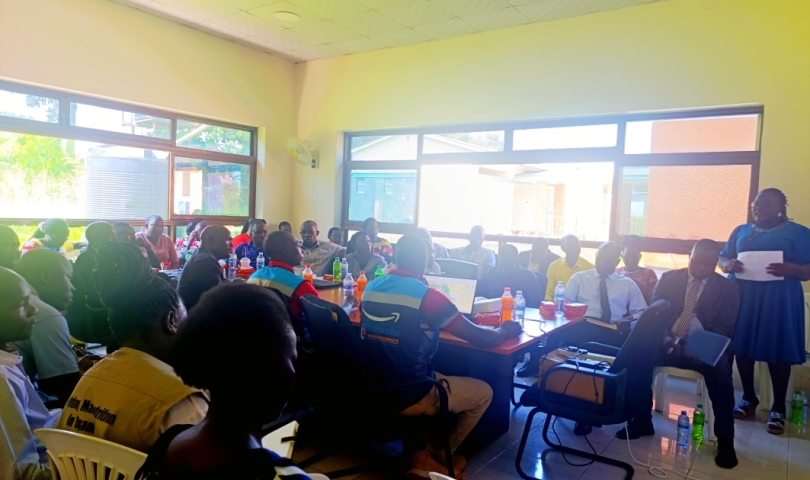
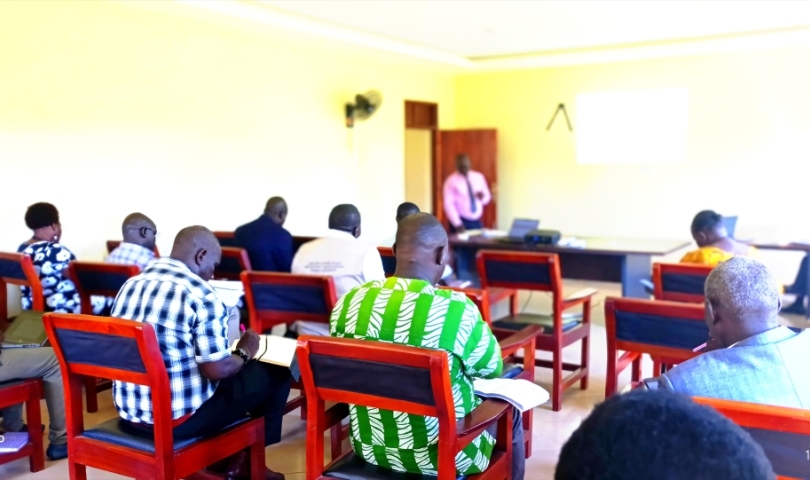
By Bazio DoreenAdjumani District Local Government has begun stakeholder consultations on the proposed Atiak irrigation canal project, which is expected to extend across seven sub-counties in Adjumani as part of a wider irrigation initiative involving neighboring Amuru District.The consultations are aimed at gathering views from local leaders, technical officers and other stakeholders to guide the proposed canal's boundary demarcation, alignment and design ahead of implementation.On October 20th, 2026, the district leadership, in collaboration with Ingeniosite Engineering Consult Ltd, held a consultative meeting at the district headquarters attended by members of the District Executive Committee, district councilors, sub-county chairpersons, Senior Assistant Chief Administrative Officers and technical staff from the Production and Natural Resources departments.The proposed project, initiated by Atiak Sugar Factory, is expected to cover approximately 109 kilometers across Ciforo, Ofua, Arinyapi, Pakele, Adropi, Dzaipi and Ukusijoni sub-counties.The project will draw water from the River Nile to support irrigation and agricultural production. It also includes plans for greenhouse establishment and the development of selected agricultural enterprises in the participating sub-counties.Consultations to guide project planningEdema Richard, the Principal Assistant Chief Administrative Officer of Adjumani District, clarified that the meeting was a consultative exercise and not the commencement of construction works.He explained that the engagement was intended to obtain views from local leaders and technical stakeholders to inform the planning process.Edema also emphasized the importance of preserving the names of streams along the proposed canal route, noting that local geographical features and their names should be recognized during the planning and boundary demarcation exercise.He further explained that the proposed project falls under a public-private partnership arrangement involving Atiak Sugar Factory, in which the Government of Uganda has a 40 per cent stake through the Uganda Development Corporation.Irrigation infrastructure to support agricultural productionEng. Joseph Kyagulanyi, the project team leader, said the proposed canal was initiated to address the factory's need for a reliable water supply to support its operations and agricultural activities.He explained that the proposed design would include fencing, on-site water storage and escape structures to manage excess water and help reduce flooding risks.The use of water from the River Nile is central to the proposed irrigation scheme, which is intended to improve water availability for agricultural production. The technical planning process will guide the canal's alignment and the infrastructure required along its route.Greenhouse farming and new agricultural opportunitiesMesiku Harriet, Adjumani District Senior Land Management Officer, informed the meeting that the proposal includes: the establishment of greenhouses and support for agricultural enterprises in the selected sub-counties.She explained that each participating sub-county is expected to provide 10 acres of land for greenhouse establishment and select an enterprise from nine proposed options, mainly involving fruits, coffee and cocoa.She also outlined plans to irrigate 80 acres along the canal and support eligible beneficiaries to obtain customary land titles.The proposed activities are intended to expand agricultural opportunities in the participating communities by supporting greenhouse farming, crop diversification and access to irrigation. The selection of enterprises will help guide agricultural planning within the respective sub-counties.District leadership calls for coordinated planningHon. Anyanzo John Ambayo, Adjumani District Chairperson, informed stakeholders that a feasibility study had been conducted and that further consultations would be organized with relevant line ministries, local leaders, Horyal Investment Holding Company Limited and the intended beneficiaries.He said a memorandum of understanding would be signed with Horyal Investment Holding Company Limited after the final project design had been presented and approved by the district authorities.The district leadership emphasized the importance of involving local leaders, technical departments and communities throughout the planning process to ensure that their views inform decisions on the proposed canal route and associated agricultural activities.Environmental protection and support for local farmersLagu Charles, the District Agricultural Officer, called for the project to support sugarcane out-growers in Adjumani while creating opportunities for agricultural development across the participating sub-counties.He recommended that a specific agricultural enterprise be selected for each sub-county and urged the project team to ensure that environmental protection is incorporated into the project planning process.His recommendations highlighted the importance of coordinating agricultural development with environmental conservation and the interests of local farmers.Agreed actions to guide the next phaseDuring the meeting, stakeholders agreed on several actions to support further consultations and project planning.These include:Organizing an exchange visit for district councilors, Community Development Officers, Senior Assistant Chief Administrative Officers, sub-county chairpersons and district technical staff to learn from comparable initiatives.Holding consultations with Members of Parliament, religious and cultural leaders, Local Council I chairpersons and other stakeholders in the selected villages.Undertaking boundary demarcation along the proposed canal corridor.Conducting community sensitization meetings for residents living along the proposed route.Organizing radio talk shows to raise awareness and provide opportunities for public engagement.Convening a joint meeting involving leaders from Adjumani and Amuru districts and technical representatives from relevant line ministries.Ensuring that Horyal Investment Holding Company Limited is represented in all planned engagements.Fast-tracking the final project design for presentation and consideration by the district authorities.The agreed actions will guide continued engagement between the two districts, the project proponents and local communities as the project design is developed.BackgroundAtiak Sugar Factory is a major agro-industrial investment in Amuru District involving Horyal Investment Holding Company Limited and the Uganda Development Corporation. The factory was established to support sugar production, promote sugarcane growing and create economic opportunities in northern Uganda.The proposed irrigation canal forms part of efforts to strengthen water availability for agricultural production. By linking irrigation infrastructure with greenhouse establishment and selected agricultural enterprises, the initiative is expected to support agricultural development in the participating sub-counties.For Adjumani District, the current consultations provide an opportunity for local leaders and technical officers to contribute to the planning process, coordinate with neighboring Amuru District and ensure that community views are considered in the proposed project's design.Adjumani District Local Government will continue engaging relevant stakeholders as consultations, boundary demarcation and technical planning progress. Construction and implementation arrangements will follow the completion and approval of the final project design and the necessary agreements.END.